
Is Classroom Technology Helping or Hurting Learning?
Blogpost
.webp)
Books versus screens is one of education's biggest debates. But research on reading comprehension, digital distraction, and student achievement suggests the answer is more complicated than either side admits.
Imagine two students solving the same math problem.
One uses pencil and paper, makes mistakes, and eventually finds the answer. The other uses an interactive learning tool, receives immediate feedback, and finishes in half the time.
Which student learned more?
We don't know.
Perhaps the first developed deeper reasoning. Perhaps the second understood the concept better because of the feedback. Or perhaps neither could solve a similar problem tomorrow.
And yet, we're making decisions about how millions of children should learn.
In a recent conversation with Dr. Phil, neuroscientist and educator Dr. Jared Cooney Horvath argues that classroom technology can undermine attention, memory, reading comprehension, and independent thinking.
His concern is that when tools make tasks easier, students may miss some of the mental effort involved in learning.
It's a provocative argument, although several of his broader conclusions remain open to challenge.
But it raises a question worth asking:
Are we helping students understand more—or simply helping them finish faster?
Dr. Jared Cooney Horvath discusses classroom technology, memory, attention, and learning. His arguments are presented as one perspective in the debate, not as established scientific consensus.
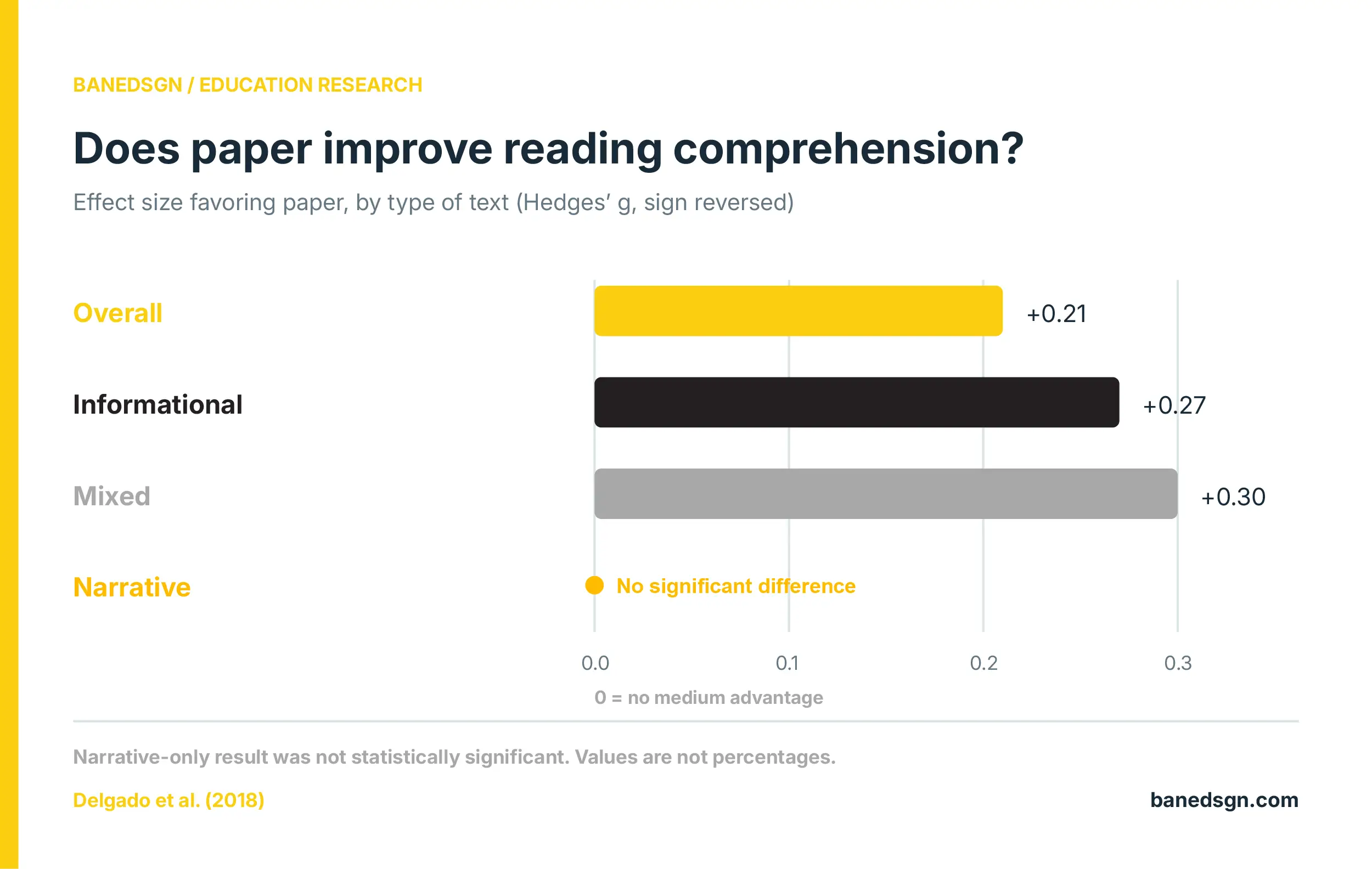
A 2018 meta-analysis by Delgado and colleagues, involving 171,055 participants, found a modest average reading-comprehension advantage for paper over digital screens.
But the findings were not identical across reading tasks.
The advantage was stronger for informational and mixed texts. Studies involving only narrative texts showed no statistically significant difference.
That matters when we consider how students use textbooks, workbooks, novels, and digital learning materials.
Does this mean students should always read printed textbooks?
Not necessarily.
It suggests that the type of reading activity matters, and that choosing a medium without considering the learning objective may be a mistake.
The OECD's PISA 2022 results found that approximately 30% of students across OECD countries reported becoming distracted by digital devices in most or every mathematics lesson.
That's difficult to ignore.
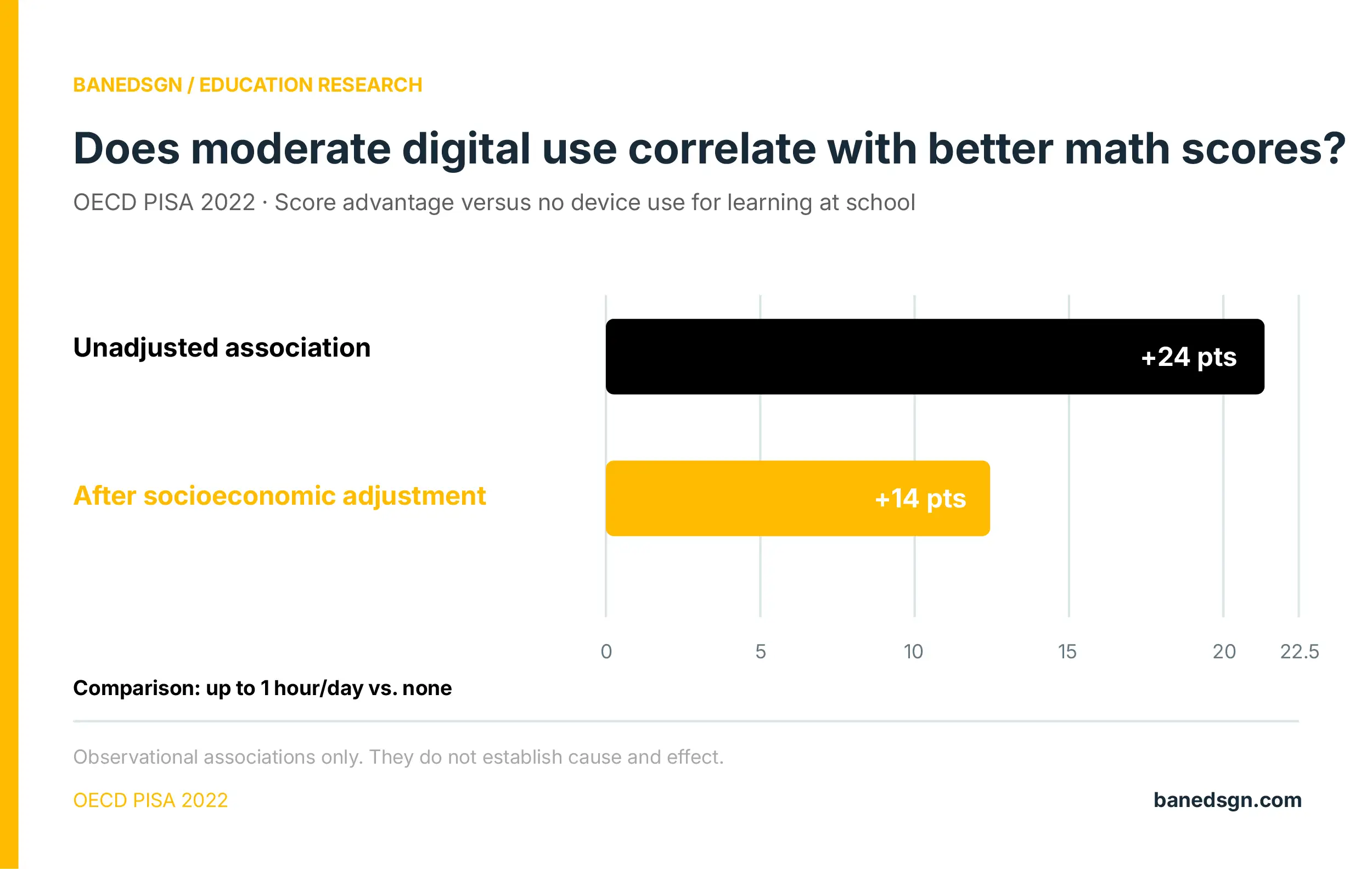
Yet the OECD also reported that students who used digital devices for learning at school for up to one hour per day scored, on average, about 24 points higher in mathematics than students reporting no such use.
After accounting for students' and schools' socioeconomic profiles, the difference was 14 points.
These are associations, not proof that technology caused better results.
So how can digital devices be associated with both distraction and higher performance?
Perhaps because a device isn't a teaching method.
Watching videos, completing interactive exercises, collaborating with classmates, and receiving targeted feedback are different activities—even when they happen on the same screen.
The UNESCO 2023 Global Education Monitoring Report raises another concern: strong, impartial evidence about the educational value of technology is often limited.
It also recognizes the opportunities digital technology creates for accessibility and inclusion.
That makes the debate more difficult—and more important.
A digital tool that enables a student with a disability to access a lesson may offer something a conventional printed book cannot.
But if a new learning platform increases engagement without improving understanding, what exactly has it achieved?
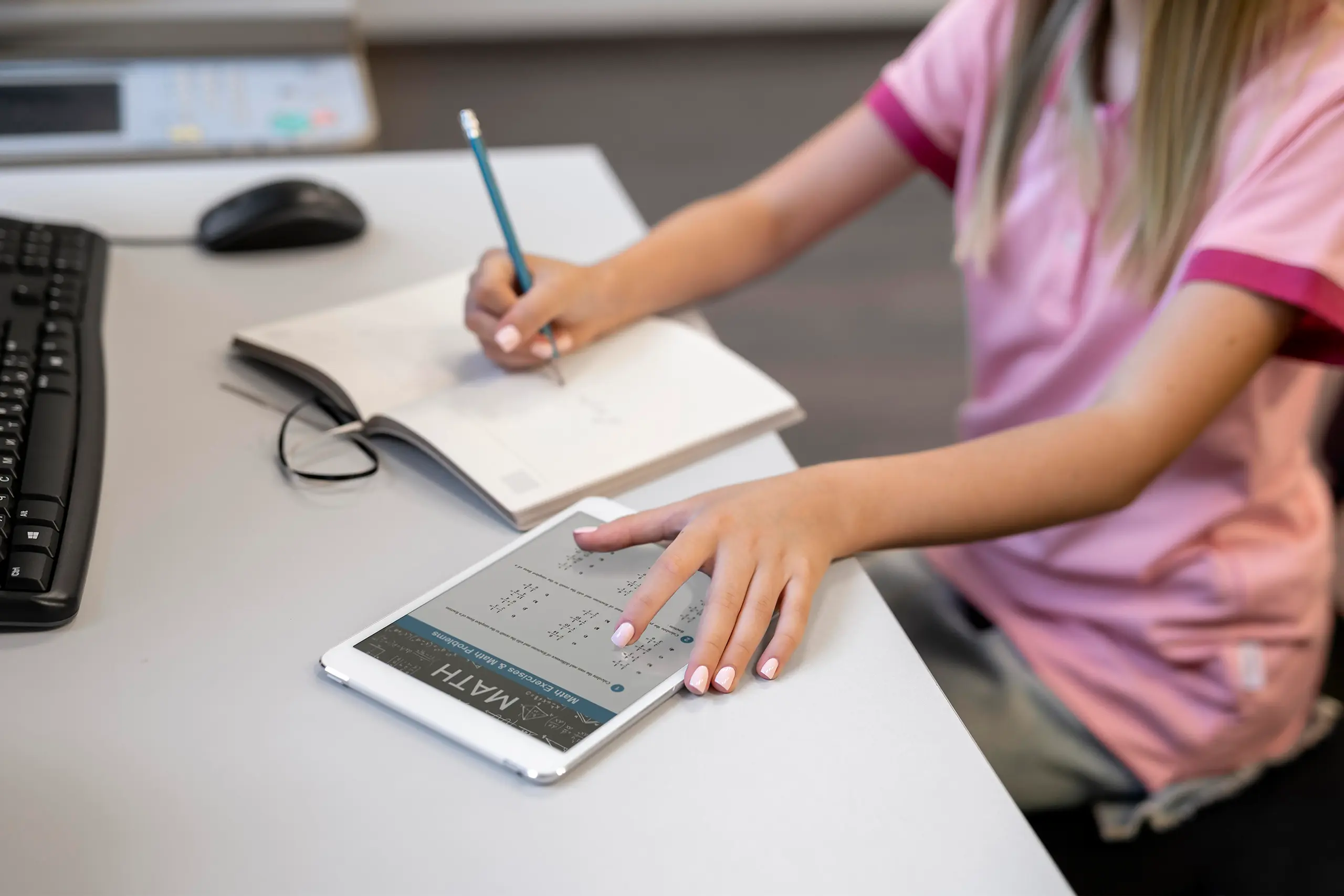
Imagine a student completing twenty math exercises with perfect accuracy.
Now remove the hints and immediate corrections.
Can the student explain the reasoning?
Can they identify a mistake?
Can they solve an unfamiliar problem?
Those questions matter whether the activity happens in a printed workbook, an educational app, or an AI-powered tutor.
And they lead to a distinction that deserves more attention:
Finishing faster isn't necessarily learning better. But struggling longer doesn't automatically mean learning more, either.
Are we designing learning experiences that develop understanding—or simply make tasks easier to complete?
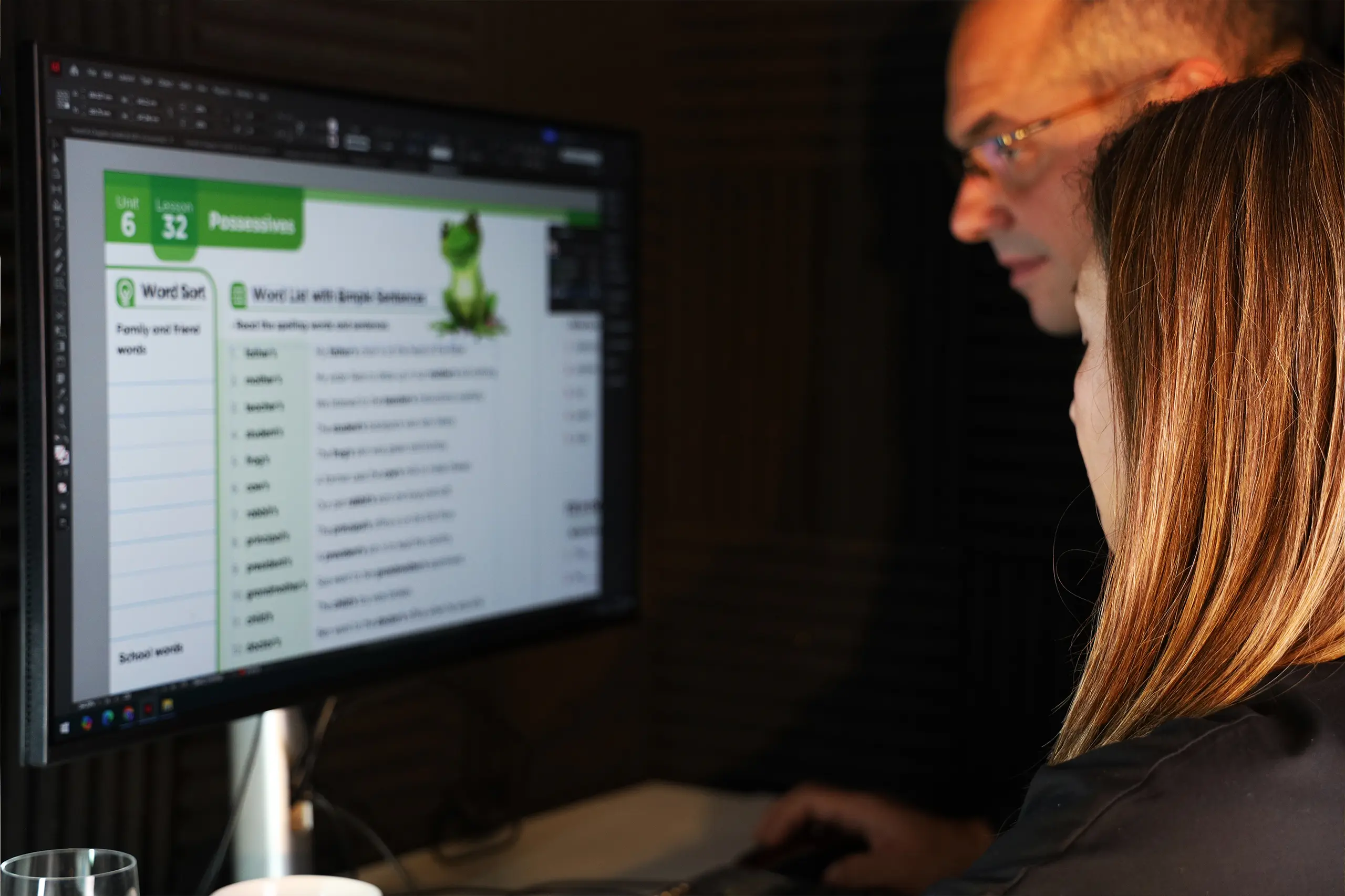
Teachers see what happens in classrooms. Parents see what happens at home. Students know when a tool helps them understand—and when it simply provides an answer.
Researchers examine learning outcomes. Educational publishers and curriculum designers develop instructional materials. Technology companies build tools that can expand what's possible.
Each group sees something the others might miss.
And none has all the answers.
The goal shouldn't be to defend books or promote screens. It should be to demand better learning experiences from both.
I'd especially welcome disagreement—from teachers who have seen technology transform learning and from those who believe schools have become too dependent on it.
Have you seen children understand more because of a digital tool?
Have you seen attention, reading, or independent problem-solving improve when students returned to paper?
And what evidence would change your mind?
Here's my question for everyone:
What is one thing schools should bring back from before the digital classroom—and one thing technology has improved that we should never give up?
Let's hear from teachers, students, parents, researchers, educational publishers, and EdTech developers.
The decisions affect all of us. The conversation should include all of us.

Some research finds a modest average comprehension advantage for paper, particularly for informational texts. However, results vary by reading conditions and text type. Delgado et al., 2018.
It depends on how technology is used, the learning activity, and the teaching context. OECD PISA 2022 found positive associations between moderate educational device use and mathematics performance, but those findings do not prove causation. OECD PISA 2022.
Neither format is automatically better for every task. Schools should evaluate instructional goals, accessibility, student needs, and evidence of learning outcomes before choosing materials.
Instructional design determines how explanations, examples, activities, practice, and feedback are structured. Effective K–12 curriculum design aims to help students understand concepts, apply knowledge, and demonstrate independent thinking.
Published by Banedsgn, a studio specializing in K–12 curriculum design, textbook and workbook design, teacher guides, and educational publishing production systems.


